Food could be used not only to satisfy hunger, but also to heal or damage the mind and the body.
Sunday, December 30, 2012
Vacation Back Home and Fresh Coconut Water
Living in New York for more than 6 years makes me very excited to go back to my hometown in Brazil during the holiday season. I am very happy to leave the cold and snowy NY to spent the Christmas, New Years and my birthday (Jan 3rd) in Brazil. Now is summer time in Brazil and a few days ago it was the hottest day in Rio (43.2ºC) since 1915. This temperature means more sweat and transpiration throughout the day, which make the body lose electrolytes and therefore become dehydrated. So a great way to keep the body hydrated is to drink fresh coconut water, which is very well recognized for its ability to replace the electrolyte loss and therefore hydrate the body. Coconut water contains many electrolytes such as potassium (K+), sodium (Na+), calcium (Ca2+) and magnesium (Mg2+) that help the body maintain its functions, especially the heart beating, the muscle contracting and the nerve impulse. Effects of dehydration include:
exhaustion, headache, dizziness, dry mouth and skin, thirst, lack of urination, and/or muscle weakness.
Although, sometimes I see young coconuts being sold in natural markets in NY, they taste and look different than the one from Brazil. The young coconuts found in NY are usually from Thailand or Hawaii. And in my opinion, the Brazilian coconut is the best one (just because I was raised drinking them, it's just a matter of habit). So, being in Brazil during the summer season, for me means being on the beach and drinking coconut water.
Friday, November 30, 2012
Soda-Lo, is it really necessary?

Last week in one of my nutrition classes, one of my colleagues made a presentation in this new product called Soda-Lo Salt Microspheres, and many things came up to my mind while I was hearing the presentation. But before I share my thoughts I'd like to introduce Soda-Lo to you.
Soda-Lo is nothing more than Sodium chloride (common salt), but it is different in the way it is created. Soda-Lo are micro-spheres molecules of Sodium chloride that have a higher surface area to volume ratio, than regular salt. This higher ratio makes it easier for the salt to diffuse within the food and spread the flavor, which enables the added salt levels in processed foods to be reduced by up to 30%. The company claims that Soda-Lo works great in bread, pizza, pastry, cheese, canned and processed foods without the reduction of flavor or texture. Soda-Lo was developed by The University of Nottingham’s Eminate and WON the “Most Innovative Health Ingredient of the Year” at the NuW Excellence Awards 2012 which were held at Health Ingredients Europe in Frankfurt. Health ingredient, really?
Sunday, November 18, 2012
Meatless Monday, what a great idea!
Last week Los Angeles City Council announced the official support for the movement Meatless Monday, which encourages people to not eat meat on Mondays in order to improve their health and the health of the planet. The benefits of adopting the idea of this campaign is endless and they are all described on the campaign's website http://www.meatlessmonday.com/. Go check it out, they are tremendously valuable information. Below are two articles related to the campaign. The first one is from the L.A. Times announcing that L.A. is now officially supporting the campaign. And the second is an old article about the Brazilian version of the campaign "Segunda sem Carne" which shows my Dad's support for the program. Love your heart and love your planet, give up meat one day of the week!!!
Sunday, November 4, 2012
Hormone Imbalance
On my last post Estrogen and Breast Cancer, you've learn that high levels of estrogen can stimulate the development of breast and other sex organ cancers especially in woman. But what factors can cause estrogen levels to rise?
- Synthetic hormones from Hormone Replacement Therapy (HRT) and birth control pills
- Environmental xenoestrogens
- Diet
- Excess body fat
In the past doctors were giving menopausal women estrogen without the progesterone to balance the stimulating cell-growth effect of estrogen. But nowadays, the medical community accepts that is not safe to prescribe estrogen alone to women so they added progesterone as well. This safety regulation would work if the hormones (estrogen and progesterone) were all natural, but they aren't. So what is the difference between a synthetic and natural hormone? Since the pharmaceutical industry cannot patent natural hormones which would not give them great profits, they decided to synthesize the hormones by changing the natural hormone molecule in some way so it is no longer the exact same molecule to natural hormone. But this change makes a huge difference on how they work in the body. For example, natural progesterone activates the p53 gene, which inhibit the uncontrolled cell-growth caused by Bcl-2 gene activation by estrogen. On the other hand, synthetic progesterone, also known as, progestins, do not activate the p53 gene. Synthetic progestin can also bind to receptors for a longer period of time, impeding the binding of natural progesterone, therefore, blocking the action of natural progesterone that the woman's body is still producing. This can make estrogen levels to rise and increase the risk for uncontrolled cell growth. Unfortunately, synthetic progestins are still the progesterone-like hormone in all birth control pills and conventional hormone replacement therapy for menopause used nowadays!!!
Saturday, November 3, 2012
Estrogen and Breast Cancer
There are many factors that contribute to the development of cancer, but one particularly important factor for women is hormone imbalance. Specially progesterone and estrogen imbalance that can cause several types of sex organ cancers (breast, uterine and ovarian cancer). Estrogen and progesterone imbalances can also play a role in the development of cancer for men, especially prostate cancer. But for woman, hormone imbalance can be a much bigger cancer factor than for man because of the woman's natural life cycle that can throw her into imbalance.
In general, a woman's progesterone production will begin to decrease 10 to 15 years before menopause begins, then will continue to drop even lower for several years afterward. And her estrogen levels, on the other hand, will not decrease much during her premenopausal years. Only once she experience menopause that her estrogen level decreases a significant amount. However, the estrogen level is still higher than the progesterone.
Thursday, October 25, 2012
Pull-ups, I give up!
I got so happy when I found this article in the nytimes about women not being able to do pull-ups. I always thought I was just missing some strentgh, but infact, the reason goes beyond that!!! So let's stick to chin-up and push-ups and be happy about it...
Why Women Can’t Do Pull-Ups
By TARA PARKER-POPE
While the pull-up has been used by everyone from middle-school gym teachers to Marine drill instructors to measure fitness, the fact is that many fit people, particularly women, can’t do even one. To perform a pull-up, you place your hands on a raised bar using an overhand grip, arms fully extended and feet off the floor. (The same exercise, performed with an underhand grip, is often called a chin-up.) Using the muscles in your arms and back, you pull yourself up until your chin passes the bar. Then the body is lowered until the arms are straight, and the exercise is repeated. The Marines say a male recruit should be able to do at least 3 pull-ups or chin-ups, but women are not required to do them. In school, 14-year-old boys can earn the highest award on the government’s physical fitness test by doing 10 pull-ups or chin-ups: for 14-year-old girls, it’s 2.
To find out just how meaningful a fitness measure the pull-up really is, exercise researchers from the University of Dayton found 17 normal-weight women who could not do a single overhand pull-up. Three days a week for three months, the women focused on exercises that would strengthen the biceps and the latissimus dorsi — the large back muscle that is activated during the exercise. They lifted weights and used an incline to practice a modified pull-up, raising themselves up to a bar, over and over, in hopes of strengthening the muscles they would use to perform the real thing. They also focused on aerobic training to lower body fat.
Why Women Can’t Do Pull-Ups
By TARA PARKER-POPE

Ben Wiseman
To find out just how meaningful a fitness measure the pull-up really is, exercise researchers from the University of Dayton found 17 normal-weight women who could not do a single overhand pull-up. Three days a week for three months, the women focused on exercises that would strengthen the biceps and the latissimus dorsi — the large back muscle that is activated during the exercise. They lifted weights and used an incline to practice a modified pull-up, raising themselves up to a bar, over and over, in hopes of strengthening the muscles they would use to perform the real thing. They also focused on aerobic training to lower body fat.
Wednesday, October 24, 2012
Oliver and Cooper - School Food Gurus
This semester in school, I'm taking classes in Community Nutrition and Nutritional Education, and these classes are making me think about how can we change the way people eat on a large scale. While I still have the dream to see the world, first of all, having enough to eat (not too much neither too little, but just enough) and secondly, eating a well balanced diet, full of fresh, organic and nutritious fruits, vegetables and grains, I have to face the reality that most people still cannot and do not choose what to eat. Some people don't have the freedom to choose their own food due to their financial status, and some people can't because of the tremendous power of the food industry, which manipulate all spoonfuls that enter people's mouths.
Honey and Wounds
![]() |
| Tea Tree |
Honey has been known for its medicinal properties for thousands of years in Ayurvedic Medicine, but now, there are several scientific studies that shows the great properties of this sweet remedy. Raw honey, unpasteurized and unfiltered, has many properties that can help the body get rid of its ailments. Honey in its raw form contains enzymes and other active ingredients that help in the healing process. Clinical studies have shown that honey kills seven species of bacteria that most commonly produce wound infections. An article in the British Journal of Surgery compared the topic use of honey with silver sulfadiazine (SSD) - one of the most widely-used treatment for burns - and 91% of the burns treated with honey were infection free whitin 7 days, while only 7% of the burns treated with SSD were infection free within the same period. Raw honey can provide a moist, fast healing process reducing inflammation, infection and edema.
Thursday, October 18, 2012
Arsenic in American Rice
About a month ago, on September 19th 2012, the FDA published an article about the levels of arsenic in rice. The FDA analysed over 200 samples of rice and rice products but they haven't made a decision yet in terms of establishing safety standard levels of arsenic in rice. They are going to come up with a number by the end of the year 2012 when they will have been able to analyze over 1,200 samples of rice and rice products. I hope our rice is not too contaminated since rice is the basis of my diet and unfortunately brown rice retains more arsenic than white rice because of its integrity.
You shuold be asking yourself why this much concern about arsenic? Well, arsenic is a natural element found in nature. It can be found in air, soil, ground water, rocks and in metals like lead and copper. However high levels of Arsenic can effects people’s health. Human epidemiological studies have shown that exposure to relatively high levels of arsenic for many years causes skin problems and increases the risk of cardiovascular diseases and certain cancer, such as skin, bladder and lung cancer due the its carcinogenic effect.
Friday, September 21, 2012
White Flour and Diabetes - hidden alloxan
Alloxan is a toxin categorized as a pesticide, aging, oxidizing, irritant, dangerous to inhale and lethal by the Enironmental Protection Agency. This harmful chemical is never disclosed on labels of products that use bleached white flour.
I really don't want to be another guinea pig to see the effects of alloxan in humans, therefore I use that simply as another excuse for not consuming white flours. Because there are a wide range of other reasons why I stay away from white flours. And they go from health to political reasons... But I can leave that for another post.
Have a wholesome weekend!
Tuesday, August 21, 2012
Yam and Butternut Squash Soup

My friend Lu, makes a great carrot soup that is to die for. When I go to her place is just a nice surprise to be welcomed with that soup. I've been dreaming with that soup for a long time, but never got the recipe written down. So today I tried to do it my way and surprisingly, it came out very good!!!
Two of the vegetables with highest content of carotenoid antioxidant that help us fight free radicals! Therefore, this soup is a great meal for city livers who breath pollutants and are surrounded by radiation 24/7.
Rich in the precursor of vitamin A this soup keeps the health of our hair, finger nails and eyes. It is a great toner of the digestive system, and by helping to stabilize blood sugar, diabetic people can only thank the "sweet veggies" for providing a delicious dinner.
Friday, August 3, 2012
Vegan Cauliflower Cream - Super easy!!!
Rich in antioxidants that prevent the degeneration of cells and combat tumor growth. The choice of today is CAULIFLOWER! I made up the following recipe when I got home hungry one day and had nothing besides cauliflower and leeks in my fridge. It came out very tasty, I added some rice and it became a delicious cauliflower risotto. But the following recipe is just for the cream. Soon I'll post the "millet-cauliflower-hiziki" risotto recipe for you guys.
Ingredients:
1 cauliflower
1 leek
1tablespoon olive oil
1 teaspoon of sea salt or more to taste
Water
Procedure:
-->
Wash and cut the cauliflower into medium
pieces. Wash and cut the leek into half moon pieces. In a medium pot, add the
cauliflower, salt and enough water to cover the cauliflower. Boil until
cauliflower is very soft (about 8min).
Place the cauliflower with ½ of the cooking
water in a blender and blend until very creamy. You may add more water until you find
the right consistency.
In the same pot you cooked the cauliflower,
add the olive oil and saute the leek for about 5 minutes. Add the cauliflower
purée, let it boil and serve while hot.
Thursday, July 26, 2012
What our teeth say about our diet?

During the macrobiotic retreat last week, the lecture of the GYN and homeopatic Doctor Jorge Hodick interested me the most. The lecture was about anti-nature medicine and its anti-natural methods of cure and what we could do to reverse or at least avoid this powerful industry in our daily life. One method that called my attention was the way he was explaining about how the human anatomy, specially the dental anatomy, dictates the way human should be eating today.
First, after thousands of years of evolution and mutations, humans today have 32 teeth from which 12 are molars, 8 are premolars, 8 are incisors and 4 are canines. The molars and premolars were made to grind food, in the case of humans - grains. The incisors are more subtable to bite vegetables and the canines to tear meat. Therefore humans have 60% of their teeth made to grind grains, 25% to bite vegetables (and fruits if you will) and 15% to tear meat. In conclusion, according to human~s dental anatomy, the most natural diet for humans to live in harmony with their environment and their health are supposed to be composed of 60% grains, 25% vegetables and 15% animal protein.
Macrobiotic - Winter Seminar
Last week I went to the XXXV seminar about macrobiotics with Tomio Kikuchi in Mairiporã - SP Brasil. It was a great week in the middle of the woods, where people were doing nothing else besides learning, eating and breathing macrobiotics.
I went with my daughter Flor, who is almost 4 years old. She had so much fun, cooking, playing and learning with other kids who shared the same eating principals as her. Therefore, I guess she was the one who took the most out of this experience, not me! It was a great experience for her to see that she is not an exception to the rule, and that there is nothing strange on the way she eats or relates to food. In fact, she's just another little girl who very much enjoy brown rice, tofu, burdock and lotus root tea. I think it was very important for me and her to share our experience, our difficulties and happy moments with other families that also encounter the same obstacles when trying to raise kids with a natural natural approach to dieting and healing. I did not have to worry about sweets and treats, processed food, televison, mass media, pollution, etc... It was a week of peace and joy with happy families, great talks, beautiful environment and healthy food. I learned a lot during this week, and it was a great opportunity to mature and evolve my thoughts!
I'm so happy and greatful for my Master Kikuchi who is 87 years old, and still provides us with great teachings and answers. He's a great example to follow. Thank You!
Tuesday, June 19, 2012
Gallbladder and Knee Relationship
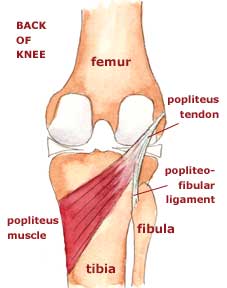
For over a year I was feeling this really bad pain on my knee that I could barely do my daily cores without having to ask for help. Going down the stairs was something almost impossible to accomplish. And having a 3 years old at home just made me feel more incapable. I've been to several doctores including orthopedists, physiatrists, chiropracters and nothing was working. Therefore, I decided to learn about the relationship of the knee and diet and hopefully come up with some answer to my pain. Then I decided to follow an anti-inflammatory diet and to take some detoxifying supplements such as carbonized bamboo. The pain got better but not a 100% better. So I decided to visit a Holistic Chiropractor who told me I needed more yellow and orange colors in my diet, and told me that a little lemon and olive oil in the morning would be good for me. So I told him: "What about the gall bladder cleanse? Should I try it?" He didn't know exactly how it'd work but thought it could be a good idea. I did it last Friday and on Saturday my knee was much, much better. So after surfing and researching in the net I found out about the great relationship between the gallbladder and the knee!
Monday, June 11, 2012
NYC Wholesome Restaurants
I haven't been to all of them but I for the ones I haven't been I only hear amazing things about it. So I think they worth a spot on the list!
Angelica Kitchen
Organic Vegan
300 E 12th Street @ 2nd Ave.
Great organic vegan food and desserts. People won't even miss dairy or meat.
Cash only, do not take reservations and the get packed after 7pm.
Favorite dishes: Tempeh Ruben and Soba Sensation
Candle Café
Vegan Café
1307 3rd Ave @ 75th Street
A very casual place
to eat, with a great juice bar and great vegan choices on the menu. Just
be careful not to overdo with the desserts. They are very tasty but in
some of them they use a vegan shortening (earth's best) which can be
translated as highly processed ingredient.
Saturday, May 19, 2012
Endocrine Disruptors
This may be a topic that we all know a little about, but never took a time to look deeper into it. At least this is the way I feel about endocrine disruptors. So today I decided to write a few things on this subject in order to bring more attention to it.
Hormones are chemical messengers released by glands or cells that transmits a signal from one cell to another. Hormones work in conjunction with many organs and systems to help control and maintain: body energy levels, reproduction growth and development, homeostasis (internal balance), response to surroundings, stress and injury. So as the name might imply, endocrine disrupting chemicals may interfere with the body’s own hormone signals due to their structure and activity, and therefore mess up with the body's normal function.
Endocrine disruptor are found in food and beverages, medicines, pesticides, and cosmetics. So, exposures may be through the diet, air, skin, and water. Some environmental endocrine disrupting chemicals, such as the pesticide DDT, dioxins, and polychlorinated biphenyls (PCBs) are highly persistent and slow to degrade in the environment making them potentially hazardous over an extended period of time.
Endocrine disruptors can interfere with the body's natural balance in three ways. First, they can mimic naturally occurring hormones in the body like estrogen, androgen, and thyroid hormones, potentially producing over-stimulation. Or they can bind to a receptor within a cell and block the endogenous hormone from binding this same cell therefore, impeding the body to respond properly to hormonal stimulus. And lastly, they can interfere or block the way natural hormones are made, for example, by altering their metabolism in the liver.
Saturday, April 14, 2012
Crianças Aprendendo à Comer
This post is about an article I wrote for a friend of mine,
Felicia, the owner and founder of the school Brasil Em Mente http://brasilemmente.com/ that
teaches Portuguese for bilingual children in New York. The article is
about how important it is to teach children to eat well during their
childhood in order to create a healthy eating habits for a life time.
And of course the article is in Portuguese (pardon me American
readers)!
I chose to re post the text here in order to present my
new classes on cooking for kids - "Nurture by Nature" and "What for
Snacks?"http://belagilm.blogspot.com/p/g.html
Por ser apaixonada por nutrição, amar cozinhar e ter uma filha
pequena, acho importante abordar o assunto sobre a alimentação dos
pequenos. A primeira coisa que noto nos pais brasileiros residentes em
NY é a dificuldade que encontram para escolher uma alimentação adequada
aos seus filhos. Na maioria das vezes não é por falta de vontade, mas
sim de conhecimento. E morando numa cidade um tanto estressante como NY,
fica muito fácil cair na tentação de alimentá-los do jeito mais
conveniente para os pais, com comidas semi prontas, industrializadas e
congeladas. Mas como esses pais brasileiros cresceram na rica cultura do
arroz e feijão, já pressentem o que é bom e o que não é para o seu
filho. Não é pra menos, pois a diferença nas duas culturas em relação a
alimentação é muito grande.
No Brasil, boa parte das crianças com o devido acesso à comida, se
alimentam bem. A comida é na maioria dos casos fresca e feita em casa. O
prato de uma criança típica brasileira normalmente se constitui de
arroz, feijão, um tipo de carne e legumes, tudo feito em casa e com amor.
Uma alimentação saudável na infância, regada de legumes, vegetais e
grãos integrais é muito importante para cultivar um paladar saudável
para o resto da vida. Ensinar uma criança a comer é muito semelhante à
ensiná-lo uma nova língua. Se os pais comerem bem e exporem as crianças à
comidas saudáveis, as crianças crescerão com esse hábito sem o menor
esforço. Mas se a criança crescer comendo processados, congelados e
refrigerantes, será muito mais difícil que ela se habitue a um estilo de
alimentação mais saudável quando atingir a idade adulta. Do mesmo jeito
que acontece com o aprendizado de uma segunda língua. É muito mais
fácil aprender uma língua na infância do que na idade adulta.
Tuesday, April 3, 2012
Sugar Again. Is it Toxic?
This video from CBS 60 Minutes is a great lesson about sugar! Dr. Sanjay Gupta interviews among others, Dr. Lustig the pediatric endocrinologist pioneer in the research on sugar as a powerful toxin and the creator of the youtube video "Sugar, a bitter truth" that I posted here last year. The CBS video shows many different scientific tests that back up the hypothesis that sugar is in fact a drug and a powerful toxin responsible for many of the epidemics in the United States today. If you like the subject of sugar or even sugar itself, this is a must see video!
http://www.cbsnews.com/video/watch/?id=7403942n&tag=contentBody;storyMediaBox
Saturday, March 31, 2012
Sweeteners - What would be a wise choice?
Sweet treats aren't very good for our health, and they should be avoided as much as possible. But I know there are times (specially for women during PMS) we just crave something sweet. So when this does happen, what is the best sweetener to reach for?
Before we get to the answer, let's first understand why refined sugar messes up with our organism.
The effects of refined carbohydrates (white sugar, white flour, white rice, etc) in the diet are devastating to the body. First of all, they are highly acidic foods that in other to be digested, require minerals (specially calcium) from the organs (specially the bones), to bring back up the pH of the blood to normal levels. The blood pH ranges between 7.35 and 7.45 if it goes lower or higher than this, the body cells can't work properly leading to coma and death. But thank God, the body is very smart and it will make anything and everything it can to maintain the blood pH between the 7.35 and 7.45 range. When we eat something very acidic such as refined sugar one of the mechanism used by the body to keep a healthy pH is by leaching out calcium which is a very alkaline substance to level out the acidic condition that the refined sugar just caused. Secondly, refined carbohydrates elevate the blood sugar so high that it causes the pancreas to over secrete insulin into the blood, making the pancreas to over work and increasing the chance for the pancreas stop producing enough insulin or making the cells resistant to insulin. Therefore, leading the body to a diabetic condition. When there is too much insulin in the blood cause by a high glucose level (hyperglycemia), more than enough glucose enters the cells causing a dramatically drop on blood glucose (hypoglycemia). During hyperglycemia, the body starts depositing fat into adipose cells. By contrast, during a hypoglycemic state, the body feels hungry, shaky, weak, nervous and craves more sweet. This creates a vicious cycle messing up with the pancreas, energy levels and mood swings. I t also makes people prone to gain weight or rather prevent them from loosing weight because the body is constantly storing fat or feeling hungry! So it is important to avoid those refined carbohydrates in order to keep the blood sugar level steady, the mind happy and the body slim.
Wednesday, March 14, 2012
Quick Snack!
I have been very busy lately but it does not mean that I've been discounting my lack of time on my way of eating. I still try to get a bunch of good nutrients out of my meals. And this snack nicely fulfills someone's nutrient needs with carbs, fat, protein and a lot of vitamins and minerals. Although spending a little time in the kitchen makes me forget about the crazy, busy world outside. I have to confess that some days I just want to have a quick snack and spend the rest of the night playing with my daughter. And nothing better than sardines and crackers to save the day (or rather, the night) when you have an empty fridge or a tired body!!!And since I can't eat without seeing greens on my plate, I decided to complement the snack with some homemade kale chips. Don't get scary, they are really simple and easy to make. But if you are not in the mood to do it, just add chopped parsley or cilantro to the sardine pâté that you'll be OK. Enjoy!
Monday, February 27, 2012
Tofu and Vegetable Pie
-->
This pie is a great alternative to those people who do not like dairy or can't tolerate it. Or just a good idea to make people who don't like tofu to enjoy it. I know I've been posting many tofu dishes lately, but it does not mean that I'm encouraging the high consumption of tofu. Tofu should be eaten occasionally and in small quantity since it is made of soy and it is not a fermented soy product, making it somewhat difficult to digest. Soy when not fermented retains an inhibitor of the enzyme trypsin, which helps in the digestion of proteins. If the protein is not well digested, it interferes with the use of amino acids by the body leading to many metabolic problems. Moreover, too much soy can inhibit the function of the thyroid gland leading to a lower secretion of thyroid hormones which are responsible for the body's metabolism.
Later on I'll dedicate a post just to the subject of soy. I just went a little further on this subject because I don't want people going crazy for soy (specially the vegetarians). I just wanted to have you guys enjoying this tofu pie with consciousness. It is still a delicious and healthy pie!
Monday, February 13, 2012
Chlorella - A Green Algae Packed with Essential Nutrients
One day I was browsing on the Internet some algae to supplement my family’s diet, and I came across with Chlorella. Two days later, for my surprise, I got to see this alga under the microscope in my microbiology lab class. I was so happy to be looking at that bright green microorganism, that I decided to write a little about it.
Chlorella is a tiny, single celled water-grown algae containing a nucleus and an enormous amount of readily available chlorophyll. The Chlorella has been used as a dietary supplement for hundreds of years by native tribes, but it was only in the mid 1940’s that scientists believed that Chlorella could be used to feed the growing population. Chlorella was chosen by scientists over the other foods for its high content of proteins (58%), all of the B vitamins including b12, which is most commonly found in animal proteins, vitamins C and E, magnesium, potassium, calcium, zinc and many rare trace minerals. It also contains fats, carbohydrates and fiber. In short, it has the widest range of nutrients found in a single food source. But the cost of producing Chlorella in large scale was very high, that the food industry decided to invested in soybeans and whole grain.
Chlorella has more vitamin B12 than liver and a great amount of beta-carotene, a powerful antioxidant that inhibit the growth of free radicals.The plant's photosynthetic efficiency allows it to yield more protein per unit area than any other plant. In addition, Chlorella contains all 18 amino acids (the essentials and non-essentials), therefore becoming a complete protein. That is great news for vegetarians who usually rely on mixing incomplete proteins such as rice and beans to get enough of this nutrient.
Wednesday, February 1, 2012
Millet Sticks
Millet is one of the oldest human foods and believed to be the first domesticated cereal grain. Though difficult to know exact origin, it's widely accepted that millet was domesticated and cultivated simultaneously in Asia and Africa over 7000 years ago during the Neolithic Era, and then spread throughout the world as a staple food. In the Old Testament, Ezekiel 4:9, millet is mentioned as a grain for making bread. It was a staple of the Sumerians and treasured plant grown in the hanging gardens of Babylon (http://www.edenfoods.com/articles/view.php?articles_id=122). Now we are able to find millet more or less all around the world.
In the United States they are mostly grown on the high plains of North and South Dakota. Millet is composed of carbohydrates, fat and protein and it is also rich in Iron, Zinc, Manganese , Phosphorus, Magnesium and vitamins B1, B2 and B3.
The best way to consume millet, in my opinion is in the form of patties, sticks or croquettes. So by the end of this recipe, you can choose how do you want to enjoy it. You can serve it as a cold or warm salad, as a burger or as croquettes, just let you imagination play with it...
Sunday, January 22, 2012
Got Milk? Only if Straight from the Cow
Since I was little I never liked the taste of milk and its products. After my mom stopped breastfeeding me, I stopped drinking it. Years went by and I started to try some dairy products and baked goods made with milk. But today I rarely cook with milk and I only like a few kinds of cheese which I am able to get them raw. I thank to my childhood's aversion to milk (at that time the milk was already pasteurized) because today I can see why my brothers developed many allergies and I did not.
Despite of my aversion to milk, I've always been interested on milk as a subject to be studied. After months researching about raw milk I found an article from a Brazilian doctor called Dr. Alexandre Felman that pointed out the benefits of raw milk and the harms of pasteurized milk.The milk we buy from the grocery store is far away to be something like real milk. That milk is pasteurized, homogenized, centrifuged and clarified. After all this process, what remains is simply a white liquid with all its enzymes inactivated, its sugar altered and its proteins denatured.
The milk is composed of the four macro nutrients water, fat, carbohydrates and proteins, which can designate the milk as a complete food. The milk sugar, lactose, needs the enzyme lactase to be digested. People usually have this enzyme available until the age of 7 or so. After that, people cannot digest milk well enough not to cause them any harm. However, if we talk about the real, raw milk, straight form the cow, things are assimilated differently in our bodies. Because there are some bacterias in the raw milk that predigest the lactose for us, similarly to what happens in the yogurt process, the digestibility of milk does not become a issue anymore.
Saturday, January 7, 2012
Popcorn Lung Disease
Bronchiolitis obliterans is the medical term used for the condition developed from the exposure to diacetyl. Diacetyl is a yellow to green liquid or powder that is found in a variety of foods and beverages. It has a slippery texture at low levels and a butterscotch flavor at higher levels. It is a natural by-product from the conversion of glucose to ethanol by yeast during fermentation in beer, and it is also found naturally in low concentrations in coffee, vinegar, dairy, honey, and fruits. It is primarily used as an artificial food additive in flours, chocolate, cooking oils, candy, chips, frosting and more. Most notably, it is responsible for the butter aroma and taste in microwave popcorn. This last characteristic of diacetyl is what has been causing popcorn manufacture workers to develop Bronchiolitis Obliterans. Dozens of popcorn manufacture workers have gotten this disease due to prolonged exposure to this chemical.
Although "popcorn lung disease" is said to be developed through the inhalation of the diacetyl, two microwave popcorn lovers have developed lung problems similar to bronchiolitis obliterans. They stated that they used to have in average 2 bags of extra butter flavor popcorn per day for the past few years. Although there is no medical evidence that the oral consumption of diacetyl is as harmful as its inhalation, after the guys stopped eating popcorn they found some relief.
People affected by the toxicity of diacetyl usually develop shortness of breath and hardening of the lung tissue which it can also be misdiagnosed as asthma and bronchitis. Once the disease has taken place, the damage cannot be reversed by eliminating the exposure to diacetyl. If left untreated or if the case is too severe, bronchiolitis obliterans is life threatening and individuals must undergo a lung transplant.
Some U.S. states a now trying to ban diacetyl from the work place in order to preserve the workers' health. So please, make your own popcorn and if you like the butter flavor, melt you own butter. I know that it would never look or taste like the microwave or the movies popcorn because what they use is not real butter. The "butter" spray they have at the movies for people to add to the popcorn is in fact an greasy liquid with diacetyl to give the yellow color and the buttery flavor.
LET'S EAT FOOD, REAL FOOD!
Subscribe to:
Posts (Atom)